We have all been there. You order a “premium” hoodie online, waiting in anticipation for that structured, boxy silhouette you saw on Instagram. But when it arrives, you pull it out of the bag and it feels… limp. It clings to your body like a t-shirt, the hood flops over your shoulder, and the wind cuts right through it.
The difference between that disappointment and a true investment piece comes down to one metric: GSM. And more importantly, it comes down to a simple physical experiment you can do at home called The Drape Test.
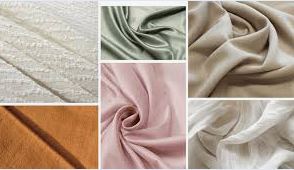
Here is why 500 GSM cotton quality has become the non-negotiable standard for luxury streetwear, and how you can spot the difference between high-street fast fashion and high-end craftsmanship.
Decoding the Number: What is 500 GSM?
GSM stands for Grams per Square Meter. It is the universal measure of fabric density.
- 150-200 GSM: A standard t-shirt.
- 300-350 GSM: Your average mall-brand hoodie.
- 500+ GSM: True heavyweight luxury.
When we talk about 500 GSM cotton quality, we aren’t just talking about weight; we are talking about density. To achieve this weight, the cotton must be knitted tighter and thicker, often using premium “brushback” or “loopback” techniques. This results in a fabric that is virtually indestructible and feels substantial the moment you pick it up.
The Fabric Drape Test: How to Spot Quality
So, how do you know if a hoodie is actually premium? You perform the fabric drape test.
How to do it:
- Hold the hoodie up by the shoulder seams with one hand.
- Observe how the body of the garment hangs.
The Result:
- The Fail: If the fabric immediately collapses into deep, vertical folds and looks “slinky” or fluid, it has high drape. This is fine for a summer dress, but it is a failure for streetwear. It means the fabric is too thin to support its own structure.
- The Pass: A 500 GSM hoodie will exhibit “low drape.” It will hold a semi-rigid shape. The arms will naturally curve outward rather than hanging dead straight. The hood will stand up on its own rather than puddling against the neck.
The “Drape Test” proves that the garment relies on its own engineering to look good, rather than relying on your body to fill it out. This creates that coveted “architectural” look where the clothing sits off the body, creating a clean, powerful silhouette.
The Heavyweight Hoodie Review: Structure vs. Slouch
In every honest heavyweight hoodie review, the consensus is the same: weight equals confidence.
Standard 300 GSM hoodies are prone to “slouching.” Because the fabric is light, it clings to every lump, bump, and crease of the shirt you are wearing underneath. It wrinkles easily and loses its shape after a few hours of wear.
By contrast, a luxury hoodie weight of 500 GSM acts like a shell. It doesn’t cling; it hovers. This thickness smoothes out your silhouette, making the fit look intentional and polished regardless of body type. It essentially filters out the noise of your outfit, providing a clean canvas that looks just as good at the end of the day as it did when you put it on.
Why It Is The Only Standard
Beyond the aesthetics, 500 GSM is an economic standard. Fast fashion hoodies pill and thin out after a dozen washes. A 500 GSM garment is built to withstand decades of wear. The cotton fibers are so dense that they resist friction, meaning pilling is significantly reduced.
When you buy luxury streetwear, you aren’t paying for a logo; you should be paying for the raw materials. If a brand claims to be “luxury” but is selling you 350 GSM fleece, they are selling you a high margin, not a high standard.
The Verdict
Next time you are shopping for essentials, look at the specs. If the GSM isn’t listed, that is a red flag. If it is under 400, keep scrolling.
True luxury is heavy. It holds its own weight. Pass the fabric drape test, and you will never go back to lightweight cotton again.